
Understanding Water Displacement: A Guide to Bricks in Toilet Tanks
The idea of placing a brick inside your toilet tank to save water has been a popular do-it-yourself hack for decades. Rooted in a desire to reduce household water consumption and lower utility bills, this method aims to decrease the amount of water used with each flush. But what happens when you put a brick inside your toilet tank, and is it truly an effective or even safe solution for modern homes?
The idea of placing a brick inside your toilet tank to save water has been a popular do-it-yourself hack for decades.
The Principle of Water Displacement
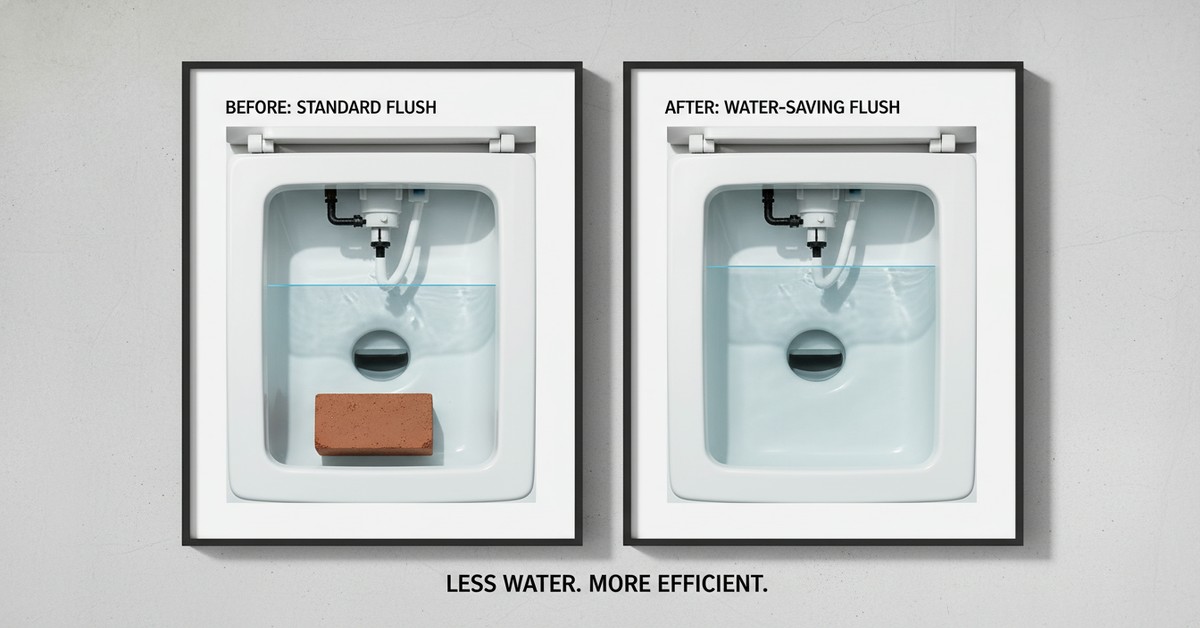
At its core, the brick method relies on the principle of water displacement. A solid object, like a brick, occupies space within the toilet tank. This means that when the tank refills after a flush, it will fill with less water because the brick is taking up volume. If your toilet tank holds, say, 3.5 gallons, and a brick displaces half a gallon, then each flush would theoretically use only 3 gallons. This "before and after" scenario promises a measurable reduction in water usage over time.
Potential Benefits: Why People Consider This Hack
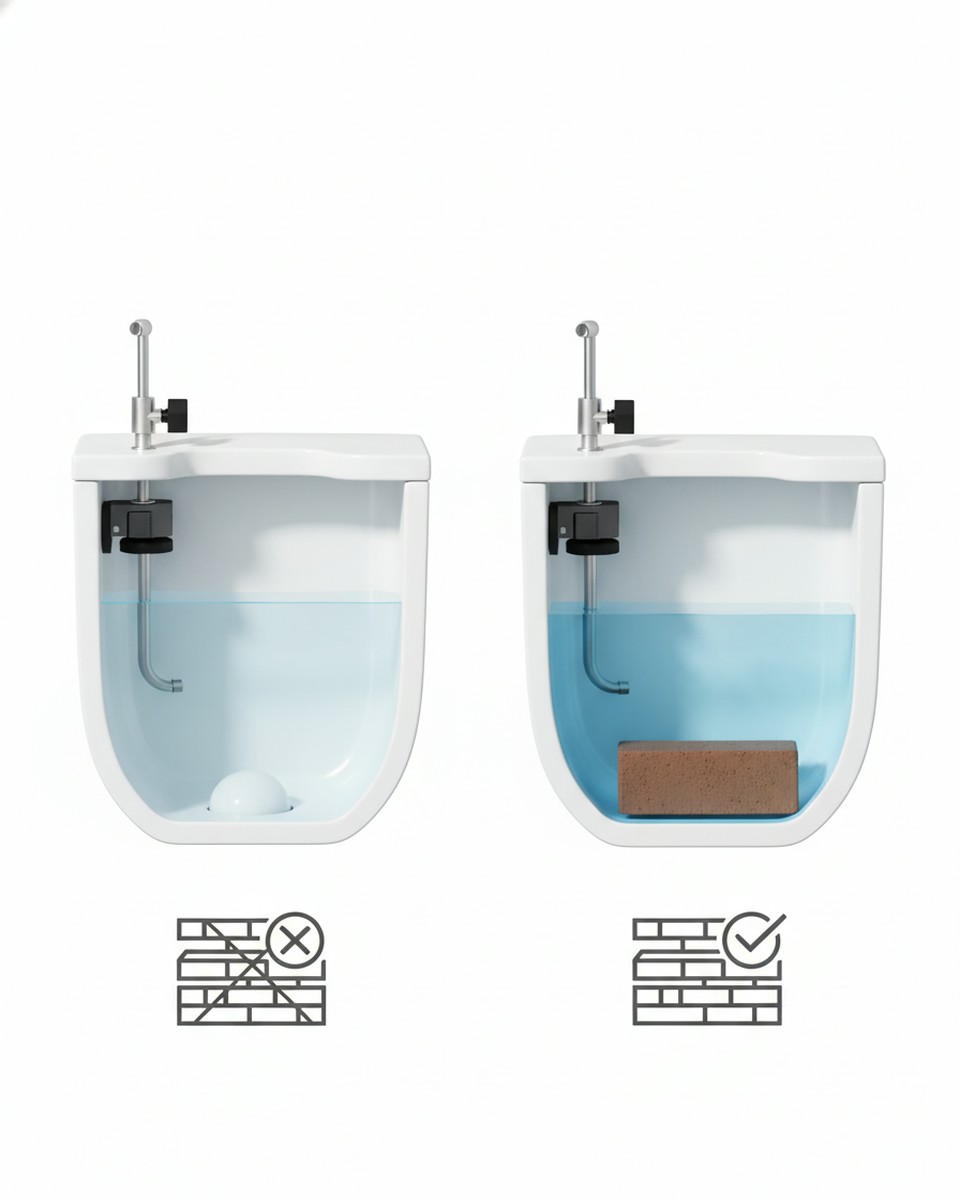
- Reduced Water Consumption: The most obvious benefit is the potential to save water, especially in older, less efficient toilets that use significantly more water per flush than modern low-flow models.
- Lower Water Bills: Over time, consistently using less water can translate into noticeable savings on your monthly water and sewer bills.
- Cost-Effective: A brick is often readily available and costs nothing, making it an appealing budget-friendly solution for those looking to be more eco-conscious.
Potential Drawbacks and Risks to Consider
While the concept seems straightforward, there are several important considerations and potential downsides:
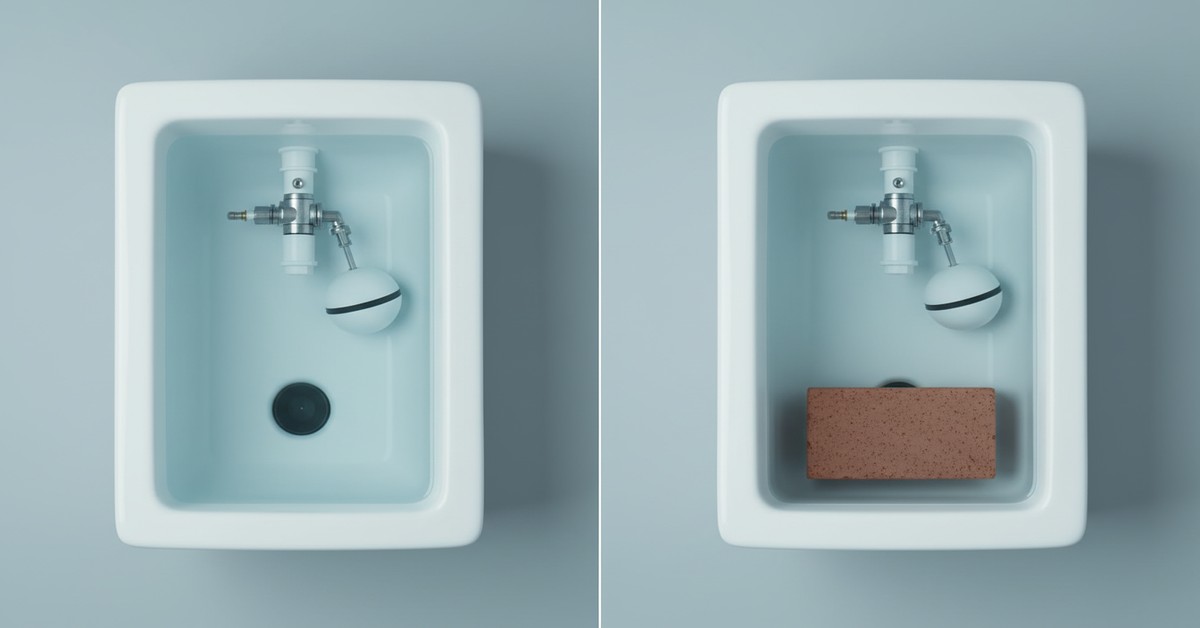
- Damage to Plumbing: Traditional clay bricks can disintegrate over time. Small pieces of brick can flake off and potentially clog the toilet's flushing mechanism or even the pipes themselves, leading to costly repairs.
- Compromised Flush Performance: Modern toilets are engineered to flush effectively with a specific volume of water. Reducing this volume might lead to inefficient flushes, requiring multiple flushes to clear the bowl. This negates any water savings and can be frustrating.
- Interference with Components: A brick could shift and interfere with the flapper valve, the fill valve, or other critical internal components of the toilet tank, causing leaks or preventing proper operation.
- Modern Toilets are Already Efficient: Most toilets manufactured after 1994 are considered low-flow, using 1.6 gallons per flush or less. For these models, adding a brick offers minimal, if any, additional savings and poses a greater risk of negatively impacting performance. As WikiHow explains, for newer toilets, this hack is generally not recommended.
- Abrasive Materials: Some non-clay bricks or rocks could be abrasive and potentially scratch the porcelain surface of the tank.
Safer and More Effective Alternatives
Given the risks, many plumbing experts, including those often referenced by home improvement publications like Good Housekeeping, suggest alternative methods for water conservation:
- Displacement Bags/Bottles: These are specially designed plastic bags or weighted bottles that fill with water and displace volume without the risk of disintegration or damage.
- Adjusting the Fill Valve Float: On some older toilets, you can slightly adjust the float arm to lower the water level, thereby using less water per flush.
- Repairing Leaks: A leaky toilet can waste hundreds of gallons of water per day. Fixing a running toilet or a faulty flapper is often the most significant water-saving action you can take.
- Upgrading to a High-Efficiency Toilet (HET): For maximum savings and performance, replacing an old, inefficient toilet with a WaterSense-certified HET is the best long-term solution.
Conclusion: Is the Brick Method for You?
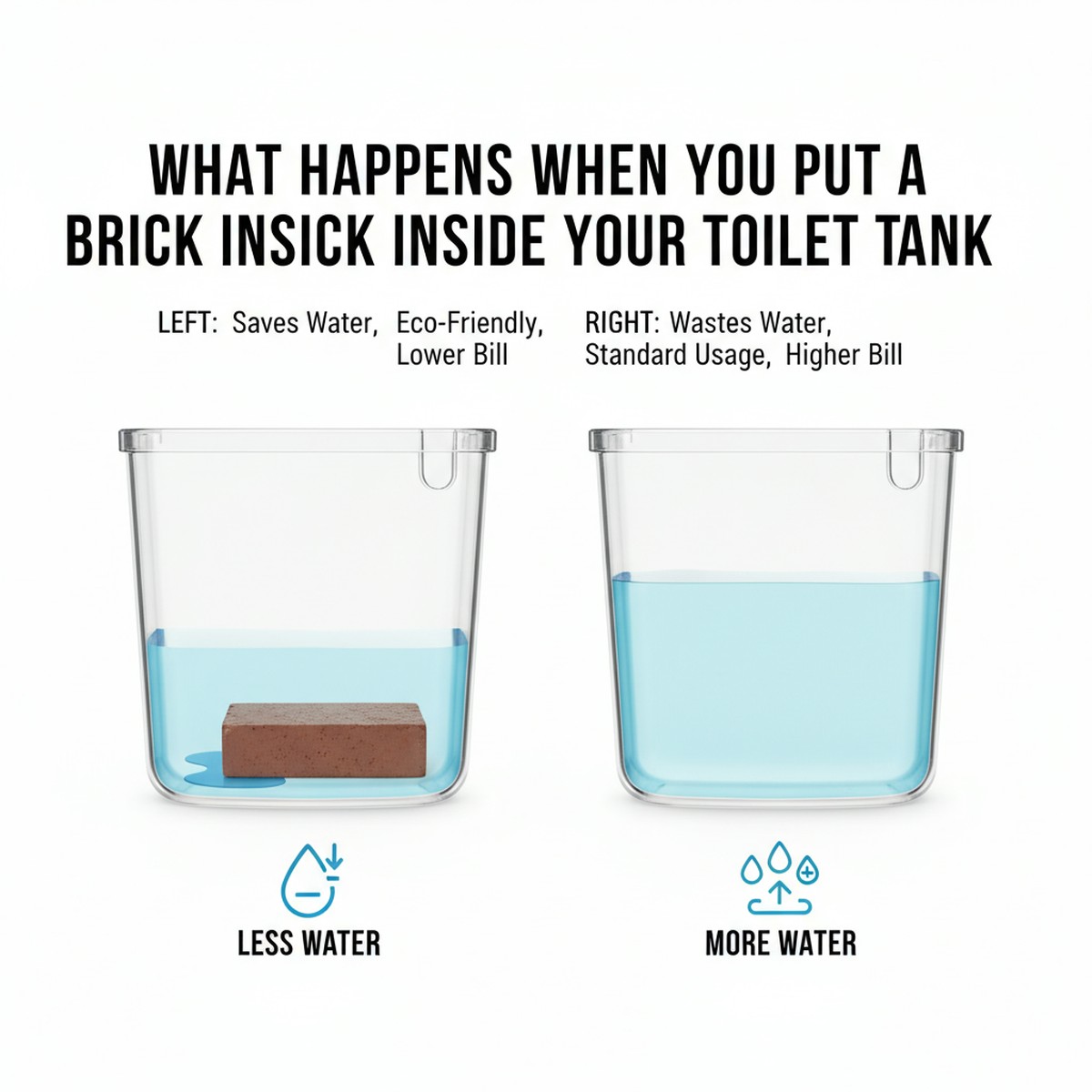
While the "brick in the toilet tank" method might offer some water savings in very old, high-gallon-flush toilets, its potential drawbacks – including plumbing damage, reduced flush effectiveness, and component interference – often outweigh the benefits, especially for newer, more efficient models. Before attempting this hack, it's crucial to understand your toilet's design and consider safer, more reliable alternatives for genuine water conservation.