
The Impact of a Brick in Your Toilet Tank: Water Savings vs. Risks
For decades, a common piece of advice for homeowners looking to conserve water has involved a seemingly simple solution: placing a brick inside the toilet tank. The idea is straightforward – by displacing a small amount of water, the toilet will use less water per flush, leading to lower utility bills and a reduced environmental footprint. But what happens when you put a brick inside your toilet tank, and is this time-honored trick truly as effective and harmless as it sounds?
The principle behind this method is basic physics. A brick, being a solid object, occupies space within the toilet tank. When the tank refills after a flush, it will fill to its normal level, but because the brick is taking up volume, less water is actually needed to reach that level. This reduced volume means less water flows into the bowl with each flush, theoretically saving water.
For decades, a common piece of advice for homeowners looking to conserve water has involved a seemingly simple solution: placing a brick inside the toilet tank.
The Hidden Risks of a Brick in Your Tank
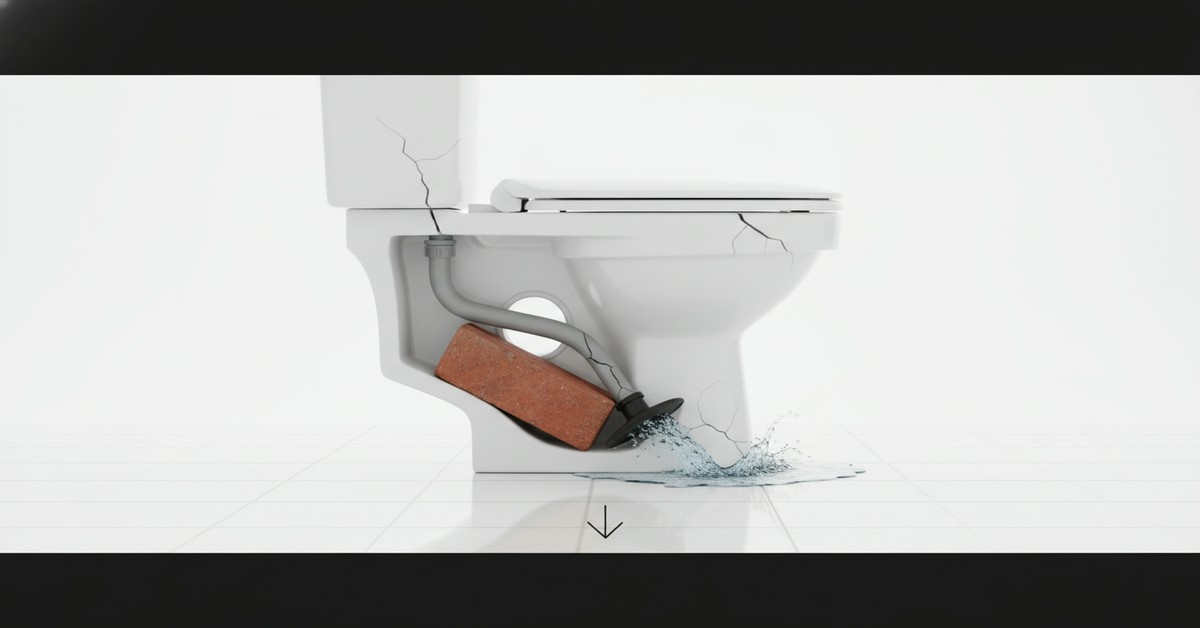
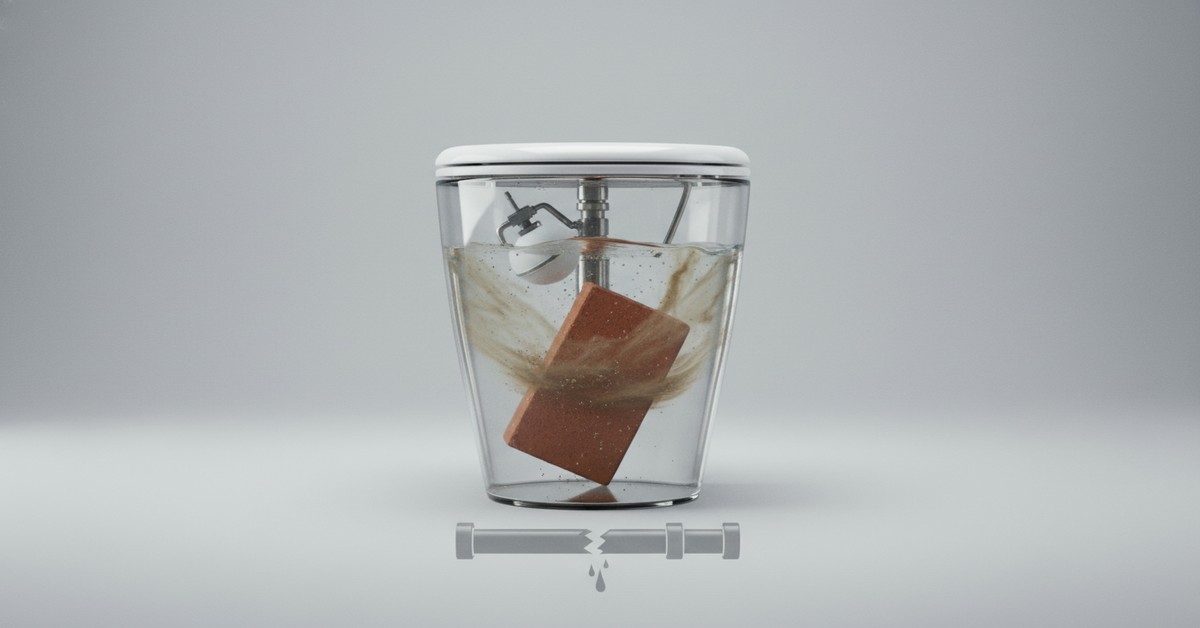
While the intention behind using a brick for water conservation is commendable, this practice comes with several potential drawbacks that often go unmentioned. One of the primary concerns is the type of brick used. Traditional clay bricks can disintegrate over time. As explained by plumbing experts, the constant immersion in water can cause the brick to soften and crumble, releasing sediment and particles into the tank. These small pieces can then interfere with the toilet's flushing mechanism, potentially clogging the flapper valve or other critical components. This can lead to leaks, inefficient flushing, or even a completely non-functional toilet, requiring costly repairs.
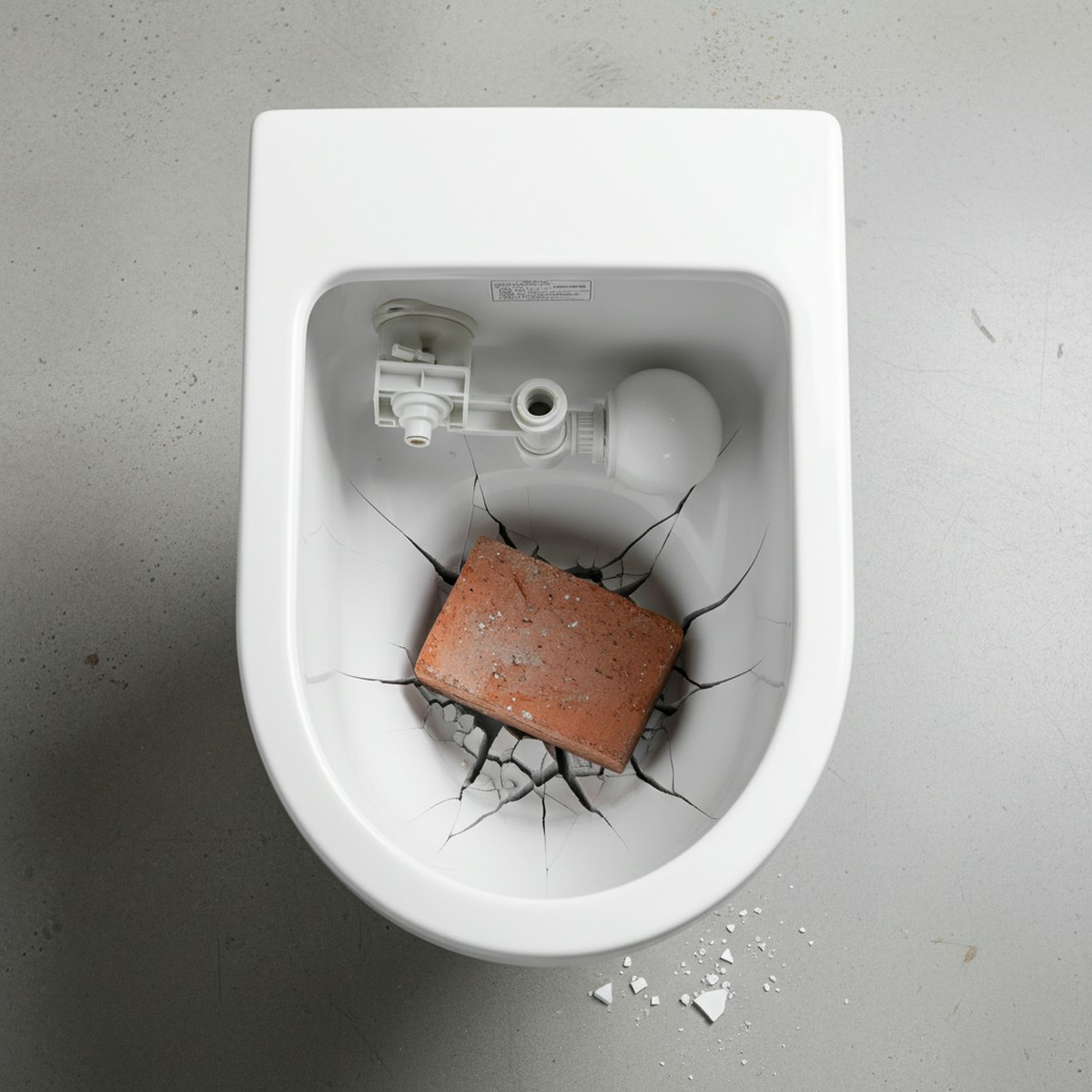
Beyond disintegration, the weight and irregular shape of a brick can also pose problems. The porcelain of a toilet tank, while robust, is not designed to withstand concentrated, shifting weight. A brick could chip or crack the tank if it shifts during flushing or maintenance, leading to significant water damage and the need for a full toilet replacement. The placement itself is also crucial; if the brick obstructs the flapper or the fill valve, it will prevent proper operation, causing either constant running or an incomplete flush.
Reduced Flushing Efficiency and Hygiene
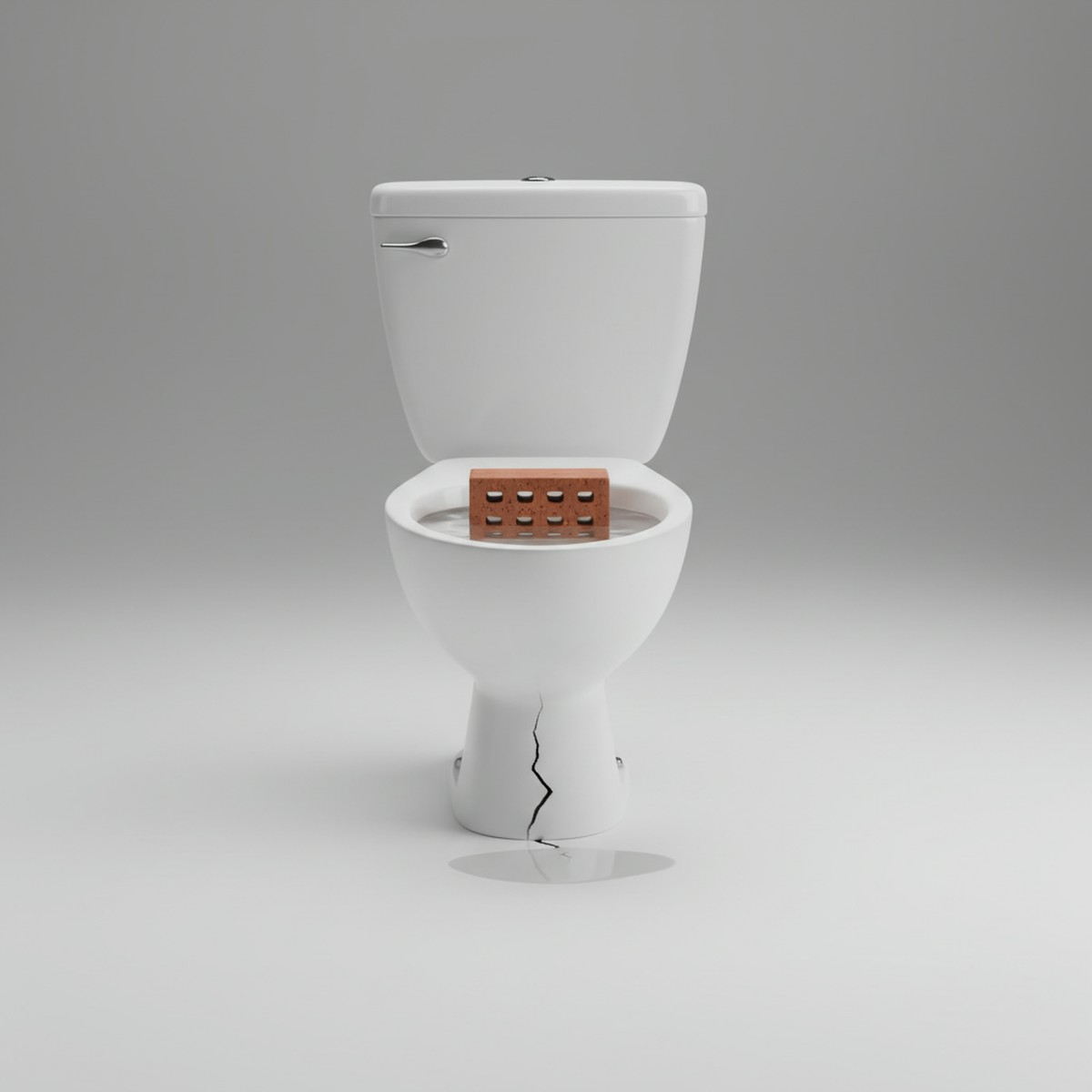
Another often overlooked consequence is the impact on flushing efficiency. Modern toilets are engineered to use a specific volume of water to create an effective flush that clears the bowl completely. Reducing this water volume, even slightly, can compromise the toilet's ability to clear waste. This can lead to double-flushing (defeating the water-saving purpose) or, worse, unsanitary conditions due to incomplete waste removal. According to sources like WikiHow, this reduction in flush power can be a significant drawback, especially for older or less powerful toilet models.
Safer, More Effective Water Conservation Methods
Fortunately, there are far more reliable and safer ways to conserve water in your toilet. For older, high-volume toilets, a simple and inexpensive solution is to use a displacement bag or bottle, specifically designed for toilet tanks. These are typically plastic bags filled with water and hung inside the tank, or weighted bottles, which are non-abrasive, won't disintegrate, and are less likely to cause damage. They offer the same water displacement benefit without the risks associated with bricks.
- Tank Banks or Displacement Bags: These are purpose-built devices that safely reduce water volume.
- Adjustable Flappers: Some flappers allow you to adjust the amount of water released per flush.
- Low-Flow Toilets: If you're replacing a toilet, opting for a WaterSense-certified low-flow model is the most effective long-term solution. These use 1.28 gallons per flush or less, significantly reducing water consumption without compromising performance.
- Checking for Leaks: A running toilet can waste hundreds of gallons per day. Regularly check for leaks by adding a few drops of food coloring to the tank; if color appears in the bowl without flushing, you have a leak.
Conclusion: Weighing the Options
While the brick-in-the-tank method is a testament to ingenuity in water conservation, its potential for causing plumbing issues and reducing flushing effectiveness makes it a less-than-ideal solution in today's world. Modern alternatives offer superior water savings without the associated risks of damaging your toilet or compromising hygiene. For truly effective and worry-free water conservation, investing in purpose-designed displacement devices or upgrading to a high-efficiency toilet is always the smarter choice, ensuring both environmental responsibility and plumbing longevity.