
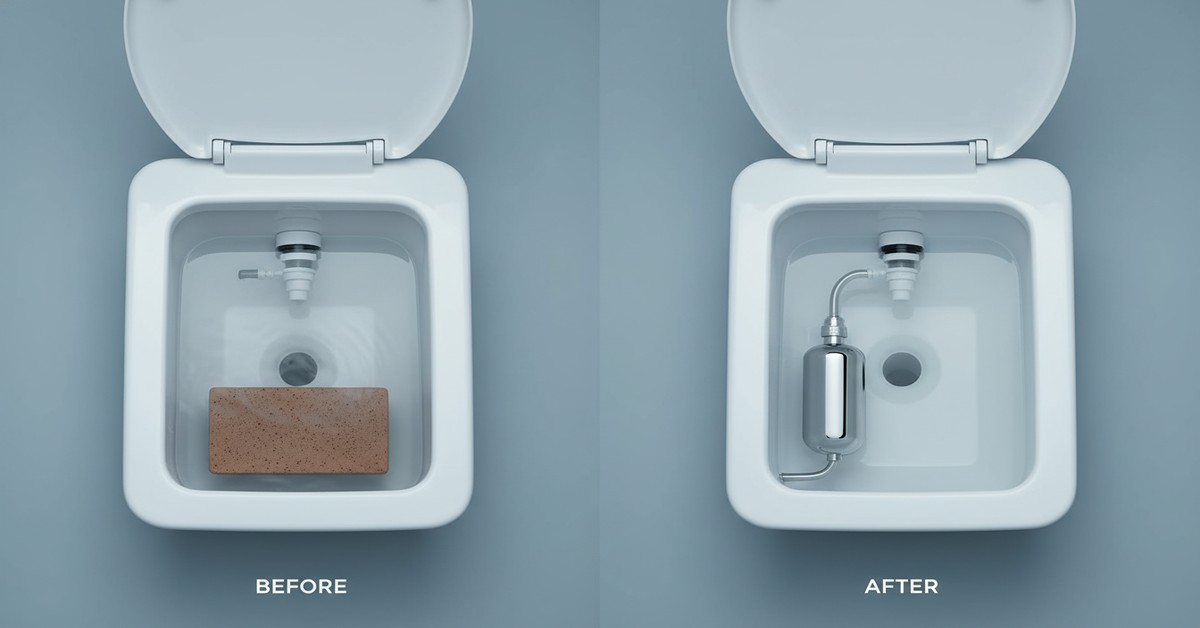
Understanding the Effects of Placing a Brick in Your Toilet Tank
The idea of placing a brick, or any heavy object, inside a toilet tank is a long-standing piece of advice often shared as a DIY method for water conservation. The principle is straightforward: by displacing water in the tank, less water will fill the tank during each refill cycle, theoretically leading to less water used per flush. But is this practice truly effective and without drawbacks?
Historically, toilets used significantly more water per flush than modern models. Older toilets, particularly those manufactured before the 1990s, often used 5 to 7 gallons per flush (gpf). In an effort to reduce this consumption, people began looking for simple ways to lower water use, and the brick-in-the-tank method emerged as a popular, albeit unofficial, solution. The concept relies on the basic physics of water displacement. If a solid object occupies space in the tank, that space cannot be filled with water, thus reducing the total volume of water available for a flush.
The idea of placing a brick, or any heavy object, inside a toilet tank is a long-standing piece of advice often shared as a DIY method for water conservation.
The Intended Benefits: Water Conservation
The primary goal of putting a brick or similar object into a toilet tank is to reduce water consumption. For older, high-gpf toilets, even a small reduction per flush can add up over time, leading to noticeable savings on water bills and a positive environmental impact. For example, if a toilet uses 5 gpf and a brick displaces half a gallon, that's a 10% reduction per flush. Multiply that by dozens of flushes per day in a busy household, and the numbers can seem compelling.
Potential Drawbacks and Risks
While the concept of saving water is appealing, there are several crucial considerations and potential problems associated with placing a brick inside your toilet tank:
- Damage to Tank Components: A standard brick can be quite abrasive. Over time, its rough surface might rub against and damage the rubber flapper or other delicate plastic mechanisms within the toilet tank. This damage can lead to leaks, requiring more water and costly repairs. The Environmental Protection Agency (EPA) and plumbing experts generally advise against this method for this reason.
- Sediment and Clogging: Old bricks can disintegrate over time, releasing sediment, sand, or other particles into the tank. This debris can interfere with the toilet's flushing mechanism, get stuck in the flapper seal, or even clog the flush valve, leading to a continuously running toilet or incomplete flushes.
- Incomplete Flushes: Modern toilets, especially those designed to be high-efficiency (1.6 gpf or less), are engineered to use a specific volume of water to effectively clear the bowl. Reducing this volume with a brick can result in an incomplete flush, necessitating a second flush and ultimately using more water than if the brick hadn't been there at all. As WikiHow notes, proper flush volume is key for efficient waste removal.
- Weight Distribution: The uneven weight of a brick could potentially stress the porcelain tank itself, leading to cracks, especially if not placed carefully or if the tank is old.
Safer and More Effective Alternatives
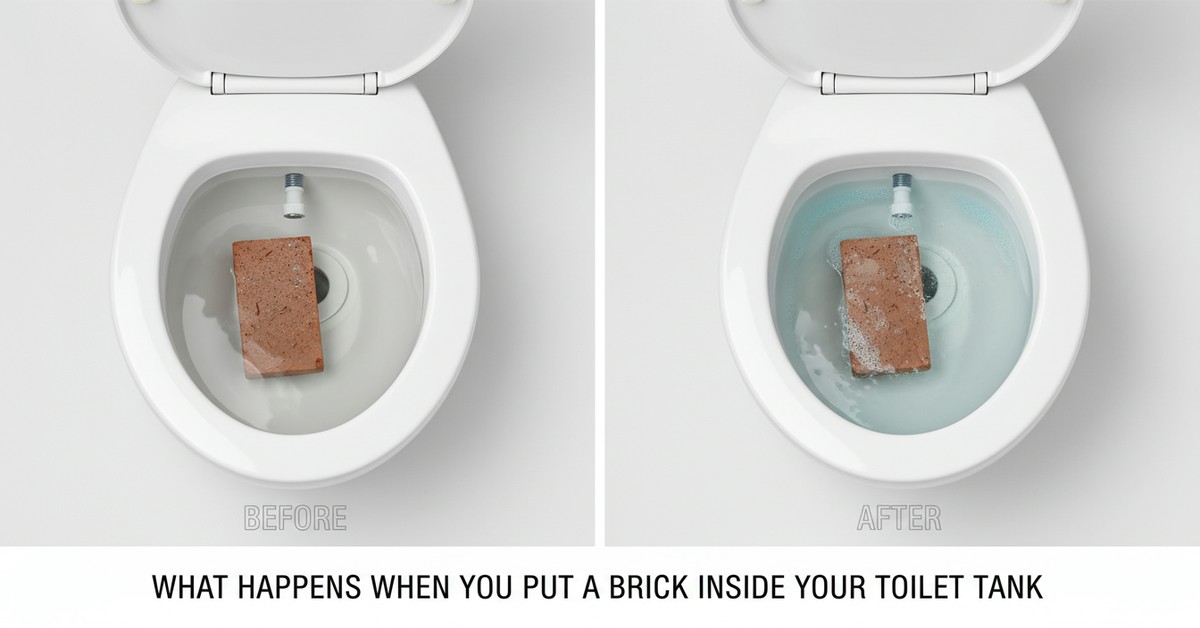
Instead of risking damage with a brick, several more reliable and safer alternatives exist for water conservation:
- Install a Low-Flow Toilet: The most effective long-term solution is upgrading to a modern, WaterSense-labeled high-efficiency toilet (HET) which uses 1.28 gpf or less. These toilets are designed for optimal performance with minimal water.
- Adjust the Fill Valve: Some toilets allow for a minor adjustment to the fill valve, which can reduce the water level in the tank slightly without affecting flush performance significantly.
- Use a Displacement Bag: If you're determined to use a displacement method, consider a commercially available toilet tank bag or bottle, which is designed to be smooth, inert, and less likely to cause damage or release sediment.
- Check for Leaks: A constantly running or leaking toilet can waste hundreds of gallons of water per day. Regularly check for leaks (e.g., using a dye tablet) and repair them promptly.
In conclusion, while the intention behind putting a brick in your toilet tank is commendable for water conservation, the potential risks to your plumbing system often outweigh the benefits. For truly effective and worry-free water savings, consider modern solutions specifically designed for efficiency.