
Understanding the Impact of Placing a Brick Inside Your Toilet Tank
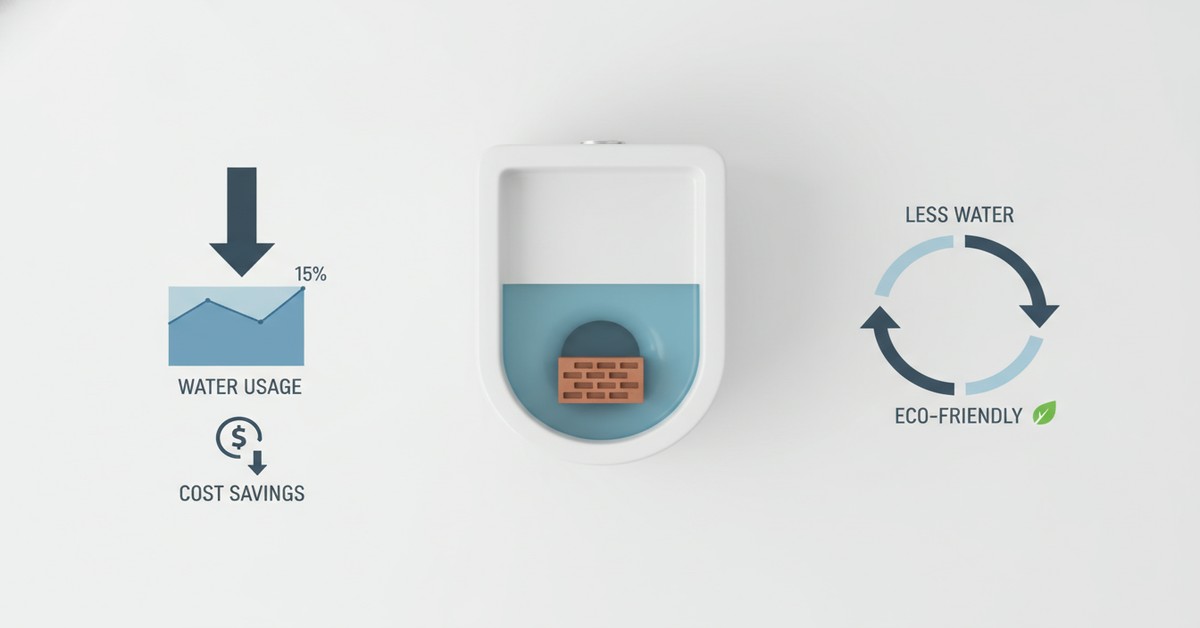
For decades, a common piece of household wisdom suggested that placing a brick inside your toilet tank could be a simple, cost-effective way to save water. The idea is straightforward: the brick displaces water, meaning less water is needed to fill the tank, and therefore less is used per flush. But what happens when you actually put a brick inside your toilet tank? Is this age-old hack truly effective, or does it come with hidden risks that could outweigh any potential savings?
For decades, a common piece of household wisdom suggested that placing a brick inside your toilet tank could be a simple, cost-effective way to save water.
The Principle of Water Displacement
The logic behind the brick trick is based on the principle of water displacement. If an object occupies space in the toilet tank, that space cannot be filled with water. This theoretically reduces the volume of water needed for each flush cycle. Early toilets, which often used 3.5 to 7 gallons per flush, offered a significant opportunity for such reductions. By displacing a gallon or two of water, homeowners could see a noticeable decrease in their water usage and, consequently, their utility bills.
Potential Benefits: Why People Tried This
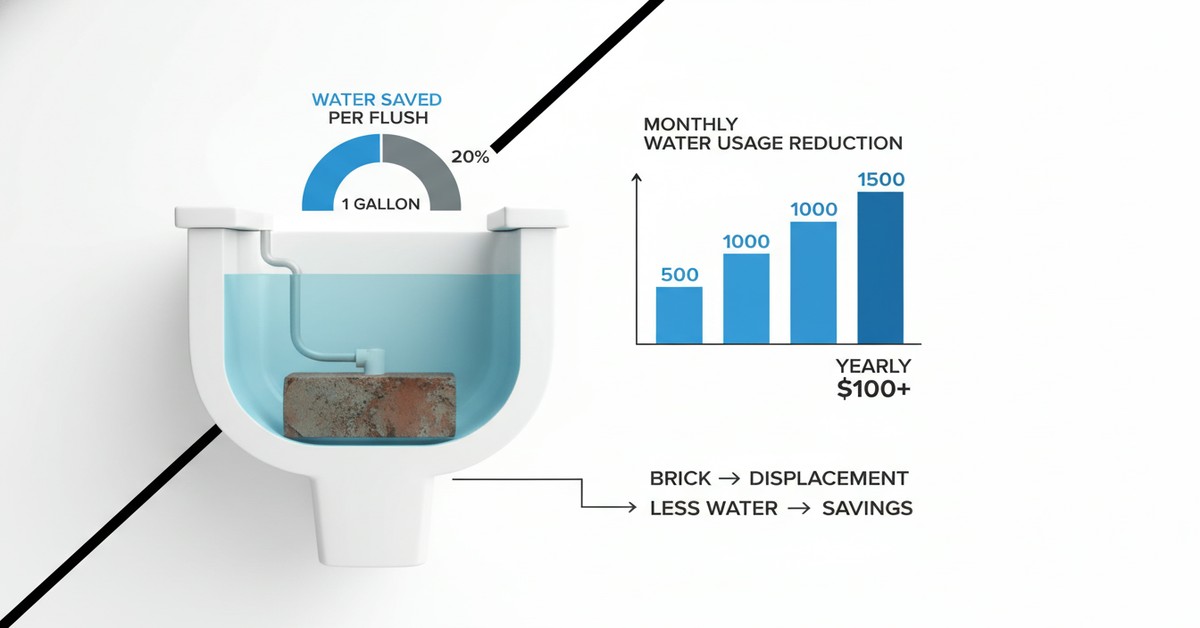
- Reduced Water Consumption: For older, less efficient toilets, a brick could indeed reduce the amount of water used per flush, potentially saving several gallons daily.
- Lower Water Bills: Over time, these small savings could add up, resulting in slightly lower water and sewer bills.
- Simple & Inexpensive: Using a spare brick seemed like a free and easy solution to water conservation.
The Risks and Downsides You Need to Know
While the concept sounds appealing, the reality of putting a brick in your toilet tank often introduces more problems than it solves. Modern plumbing experts and sources like WikiHow generally advise against this method for several key reasons:
- Damage to Tank Components: A standard clay brick can slowly disintegrate over time. The small particles and grit can abrade or clog the delicate working parts of your toilet, such as the flush valve or fill valve. This could lead to leaks, inefficient flushing, or even require costly repairs.
- Weight Issues: A heavy brick resting on the bottom of the tank can put undue stress on the porcelain, potentially leading to cracks or damage over the long term. Even if the tank doesn't crack, the movement of the brick during refills or maintenance could chip the porcelain.
- Incomplete Flush: If too much water is displaced, the toilet might not have enough water to perform a complete and effective flush. This can lead to double flushing, which negates any water savings, or leave residue in the bowl, creating hygiene issues.
- Modern Toilets Are Different: Most toilets manufactured after 1994 are designed to be low-flow, using 1.6 gallons per flush (GPF) or less. Trying to reduce water further with a brick in these already efficient systems often impairs performance without significant additional savings.
- Chemical Erosion: Some bricks can react with toilet tank cleaning chemicals or minerals in the water, leading to further breakdown and sediment accumulation.
Safer and More Effective Water-Saving Alternatives
Instead of risking damage to your plumbing with a brick, consider these safer and more efficient alternatives:
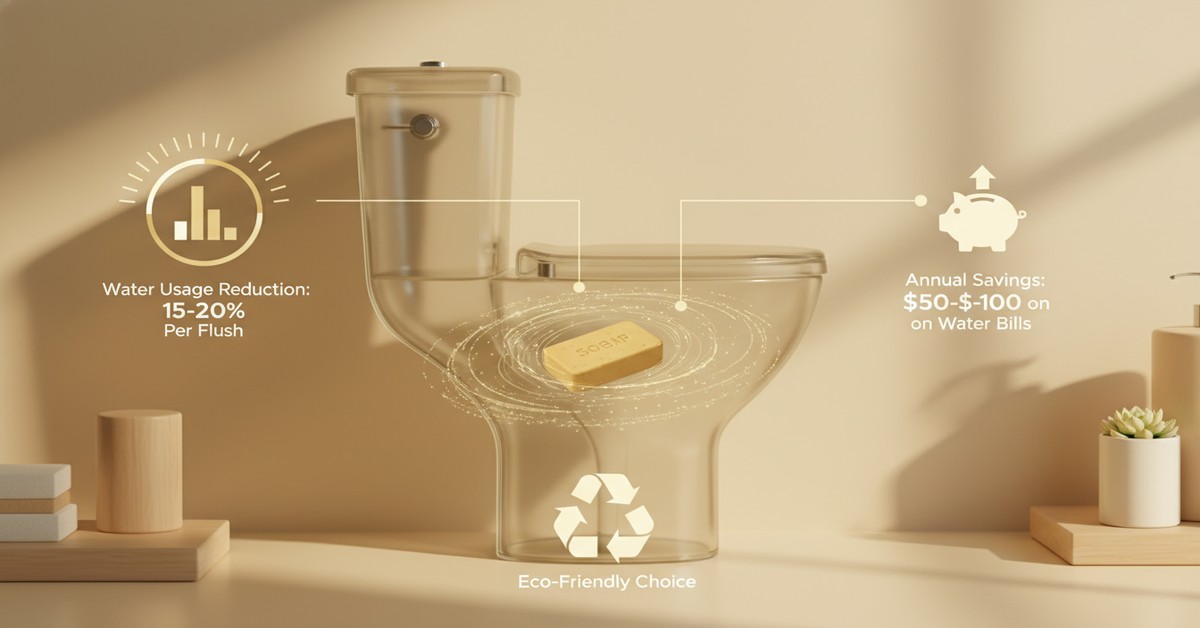
- Displacement Bags or Bottles: If you have an older toilet, consider using a commercially available toilet tank displacement bag or even a plastic bottle filled with water and weighted down. These won't disintegrate and are less likely to damage the tank.
- Adjustable Flapper Valves: Many modern toilets allow you to adjust the flush volume by tweaking the flapper valve or fill valve settings. Consult your toilet's manual or a plumber.
- Replace Older Toilets: The most effective long-term solution for significant water savings is to replace very old, inefficient toilets with new WaterSense-certified models. According to the Environmental Protection Agency (EPA), WaterSense labeled toilets can save a household 13,000 gallons of water annually.
- Check for Leaks: A running toilet can waste hundreds of gallons of water daily. Regularly check for leaks by adding a few drops of food coloring to the tank and waiting 15-20 minutes without flushing. If the color appears in the bowl, you have a leak.
While the brick-in-the-toilet-tank concept is an intriguing historical tidbit in water conservation efforts, its practical application in today's homes is largely outdated and potentially harmful. For true water savings without the risk, opt for modern, verified solutions.