
The Comprehensive Guide to Placing a Brick in Your Toilet Tank
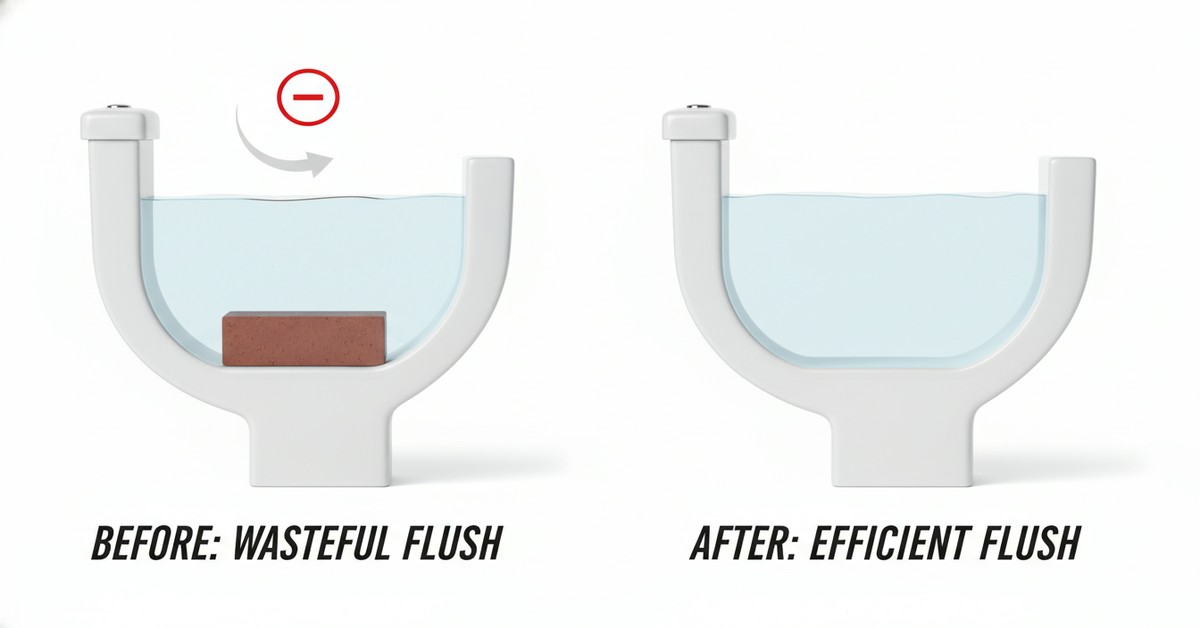
For decades, a common piece of household wisdom suggested placing a brick inside your toilet tank to save water. The idea is simple: the brick displaces water, leading to less water filling the tank and less used with each flush. The core question is, What Happens When You Put a Brick Inside Your Toilet Tank today, and is it a wise choice?
For decades, a common piece of household wisdom suggested placing a brick inside your toilet tank to save water.
The Brick's Original Appeal
The principle is straightforward for older toilets, often using 3.5 to 5 gallons per flush. By submerging a solid object like a brick, you reduce the water volume. This means the tank fills with less water, discharged into the bowl, theoretically saving water. For homeowners seeking lower utility bills, this seemed a simple, cost-free solution.
Why It's Outdated (and Risky)
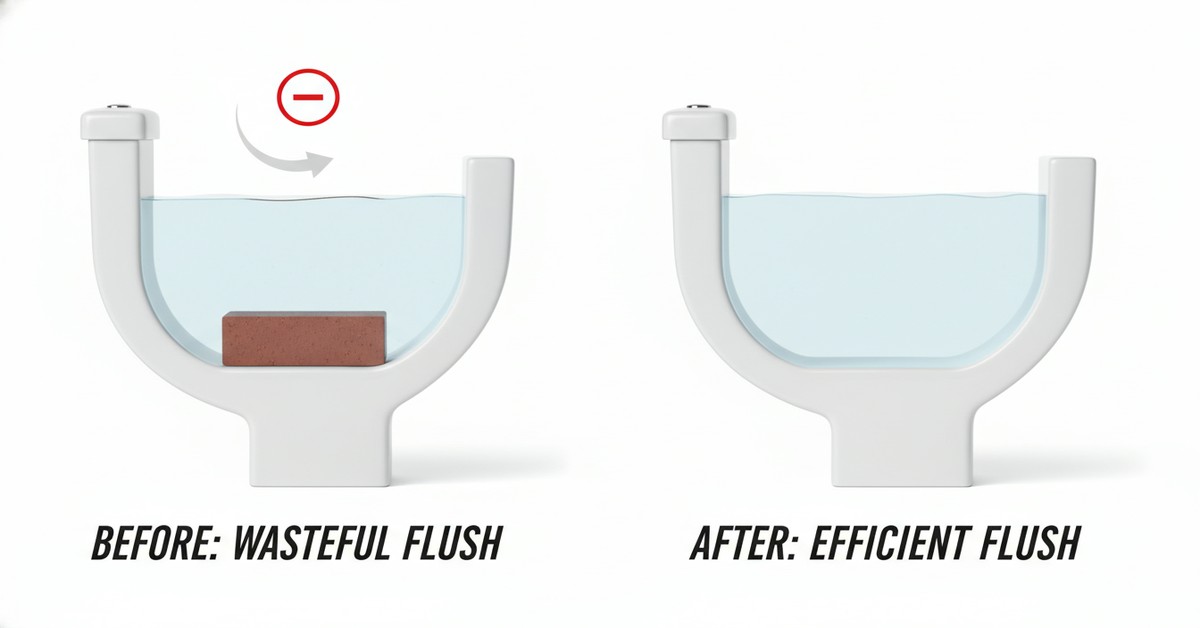
While once a clever improvisation, these benefits are largely diminished for modern toilets. Today's low-flow toilets already use 1.6 gallons or less. Adding a brick can cause several significant drawbacks:
- Weakened Flush: Too little water can mean an ineffective flush, requiring double flushing. As WikiHow explains, a weak flush often leaves waste, consuming more water.
- Component Damage: Bricks can disintegrate, especially if not sealed. Sediment can clog or damage delicate parts like the flapper or fill valve.
- Shifting & Jamming: A brick can shift, jamming mechanisms, preventing proper flushing, or causing continuous running water.
- Tank Wear: The brick's rough surface can rub against the porcelain tank, potentially causing scratches or wear.
Smarter Water-Saving Alternatives
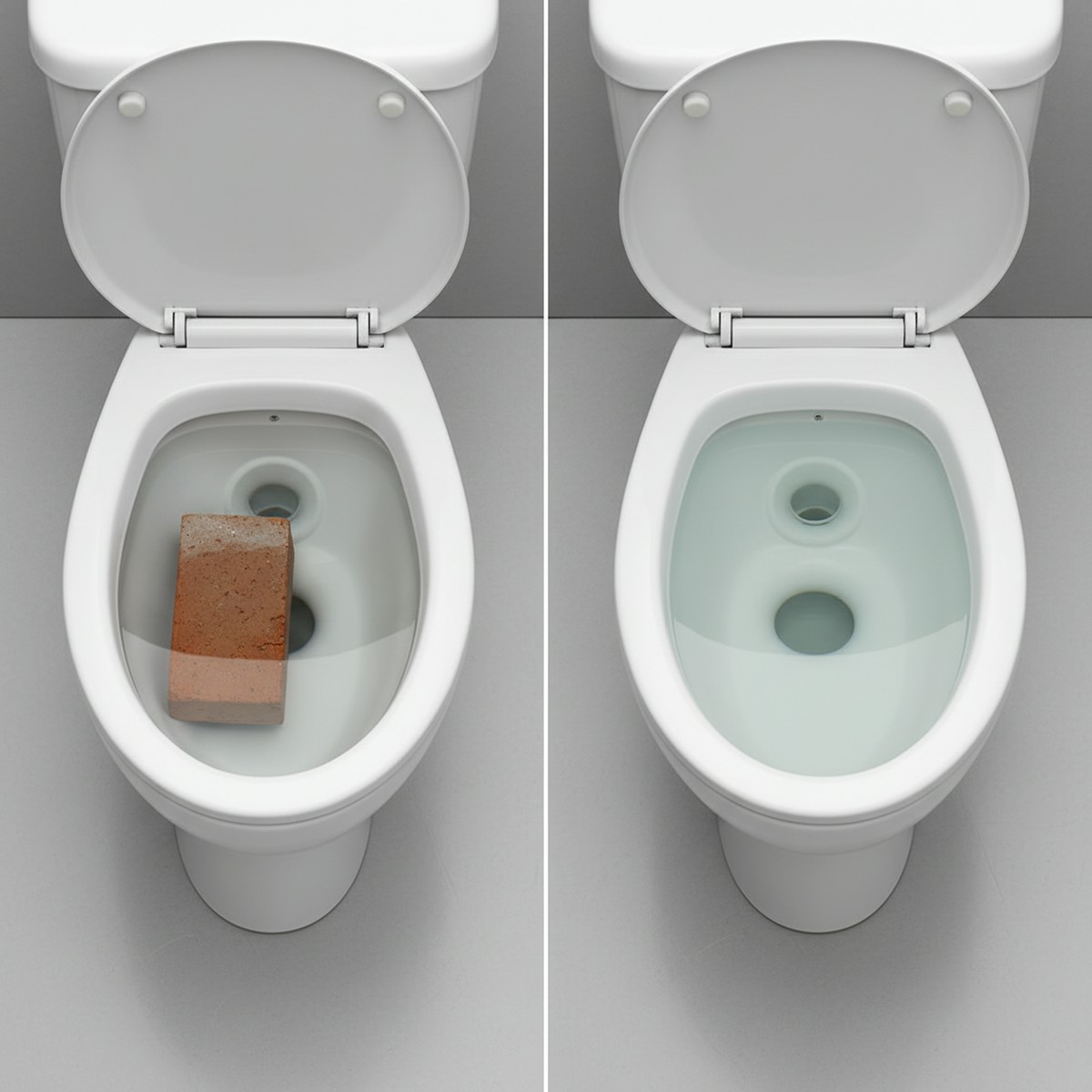
Instead of risking damage or ineffective flushes, consider these more reliable and safe alternatives:
- Modern Toilets: Install a low-flow or dual-flush toilet engineered for efficiency with minimal water use.
- Adjust Fill Valve: Some toilets allow adjusting the tank's fill level to achieve water savings safely.
- Tank Bags/Bottles: Purpose-built devices safely displace water. Made from plastic, they won't disintegrate or harm components. Good Housekeeping recommends these over bricks.
- Check for Leaks: A silent toilet leak wastes vast amounts of water. Check by adding food coloring to the tank; if color appears in the bowl, you have a leak.
Ultimately, while the brick-in-the-toilet-tank trick had historical merit, modern plumbing advancements and safer devices offer superior solutions. Understanding your toilet's specific model is key before any DIY modifications.