
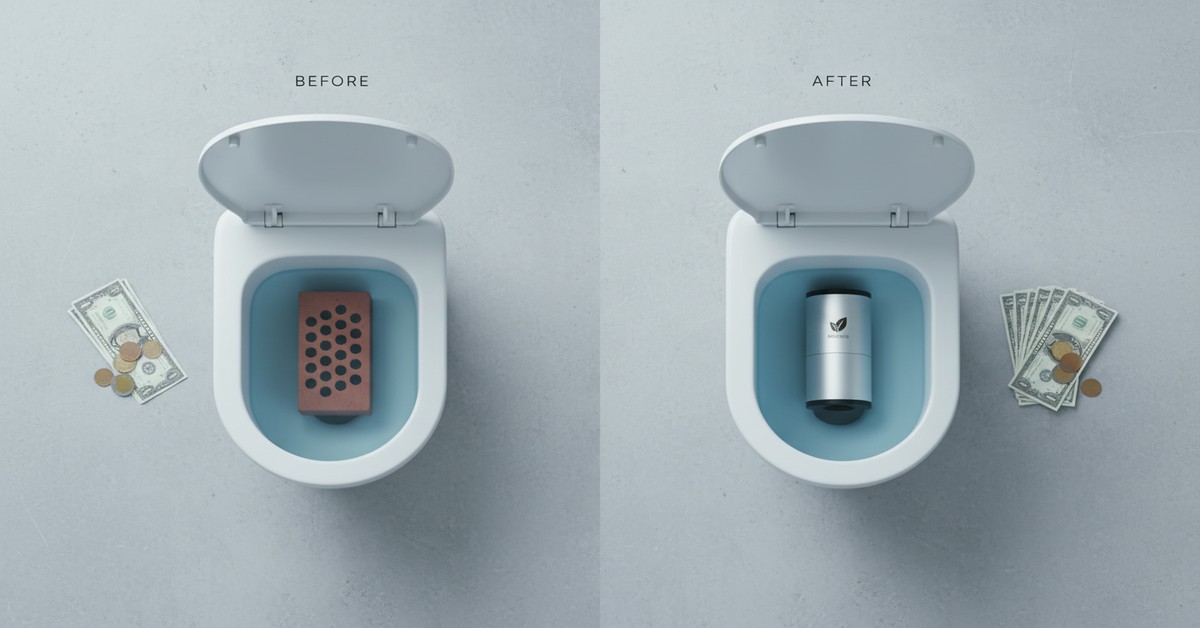
The Practical Effects of Placing a Brick in Your Toilet Tank
The idea of placing a brick inside a toilet tank has circulated for decades as a seemingly clever way to conserve water. The logic is straightforward: a brick displaces water, meaning less water fills the tank, and subsequently, less water is used with each flush. While this concept holds a certain appeal in its simplicity, the practical implications and potential downsides of what happens when you put a brick inside your toilet tank are often overlooked.
The idea of placing a brick inside a toilet tank has circulated for decades as a seemingly clever way to conserve water.
The Theory vs. Reality of Water Displacement
On the surface, a brick acts as a displacement device, reducing the volume of water the tank can hold. If your toilet uses, for example, 3.5 gallons per flush (Gpf) and a brick displaces half a gallon, you might expect to save that half-gallon with every flush. This was a more relevant strategy for older, high-volume toilets, typically manufactured before the 1990s, which could use 5 to 7 Gpf.
However, the actual effects are more nuanced and often detrimental. Modern toilets, by law in many regions, are designed to use 1.6 Gpf or less. Some high-efficiency models use as little as 1.28 Gpf. In these newer systems, the flush volume is carefully calibrated for efficient waste removal. Reducing the water further can lead to insufficient flushing, requiring a second flush and negating any savings, or worse, causing clogs.
Risks and Damages of a Brick in Your Toilet Tank
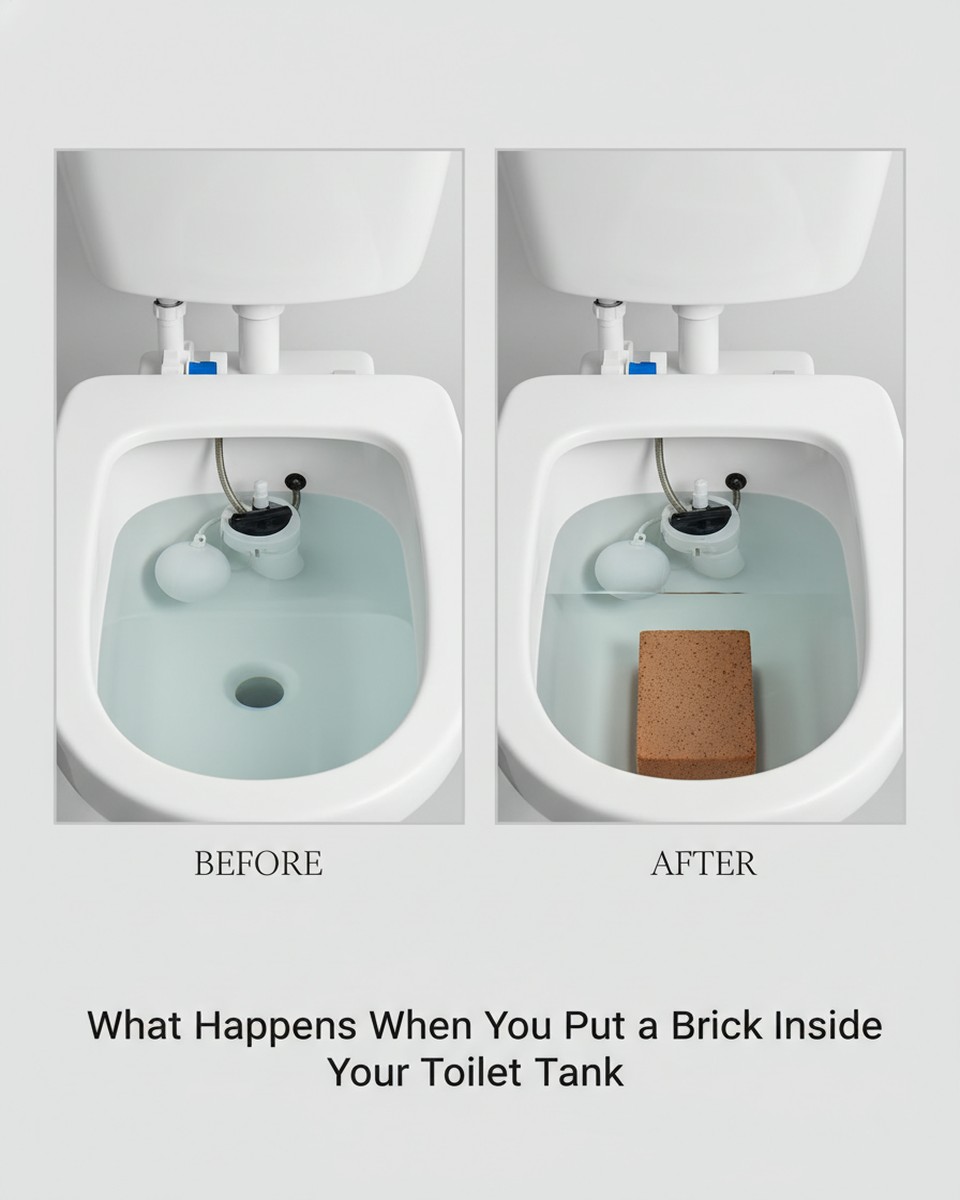
- Damage to the Tank Mechanism: A standard clay brick can deteriorate over time, shedding small particles of clay, sand, and grit into the tank water. These abrasive particles can interfere with the delicate workings of the flush valve, fill valve, and flapper, leading to leaks, malfunctions, and premature wear. According to many plumbing experts, sediment build-up is a common cause of toilet repair issues.
- Physical Damage to the Tank: The brick itself, especially if placed haphazardly or if it shifts, can chip or crack the porcelain lining of the toilet tank. This can lead to costly repairs or even the need for a full toilet replacement.
- Interference with Flushing: A brick, particularly an irregularly shaped one, can shift and get lodged against the toilet's flush mechanism, preventing the flapper from closing properly or the fill valve from operating correctly. This can cause the toilet to run continuously, wasting far more water than any displacement might save.
- Lack of Structural Integrity: Standard bricks are not designed for continuous submersion. They can soften and crumble, turning a solid object into a source of potentially problematic debris. WikiHow, for instance, often advises against using porous materials in water tanks for this very reason.
Safer and More Effective Water-Saving Alternatives
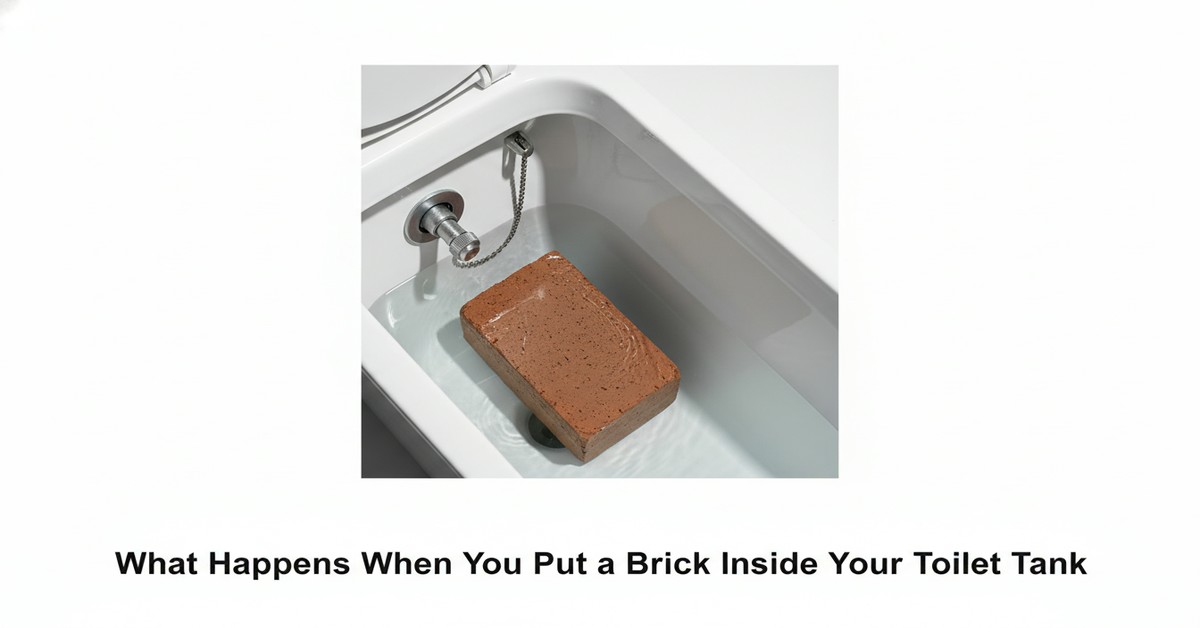
Instead of risking damage to your plumbing by placing a brick in your toilet tank, consider these safer and more effective methods for water conservation:
- Install a Toilet Dam or Displacement Bag: These products are specifically designed for water displacement in toilet tanks. They are made of non-porous materials that won't degrade, and they are shaped to fit neatly without interfering with the flush mechanism.
- Check for Leaks: A silent toilet leak can waste hundreds of gallons of water per day. Add a few drops of food coloring to your tank. If color appears in the bowl without flushing, you have a leak.
- Upgrade to a High-Efficiency Toilet (HET): If your toilet is older than 1994, upgrading to an HET (1.28 Gpf or less) will dramatically reduce water usage and pay for itself in water bill savings over time.
- Adjust Your Fill Valve: Some toilets allow you to adjust the water level in the tank, reducing the amount of water used per flush without introducing foreign objects. Ensure the water level is still high enough for an effective flush.
In conclusion, while the intention behind placing a brick in your toilet tank is admirable, the potential for damage, decreased performance, and minimal actual savings, especially with modern toilets, far outweighs any perceived benefit. For true water conservation, reliable, purpose-built solutions are always the best approach.