
Understanding the Impact of Placing a Brick in Your Toilet Tank
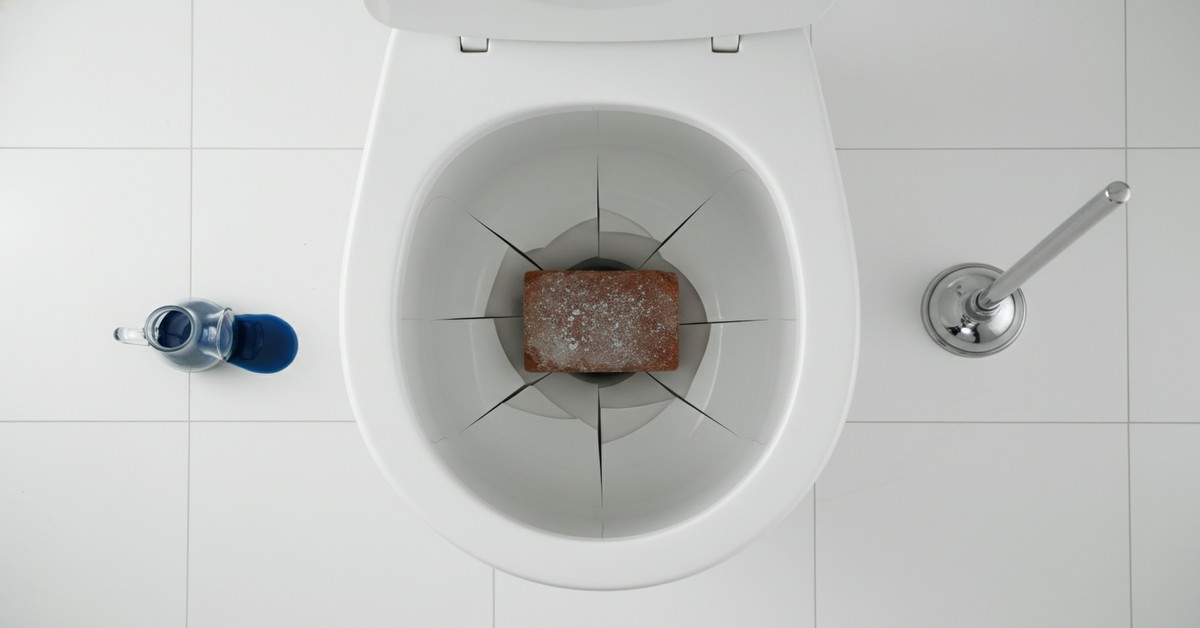
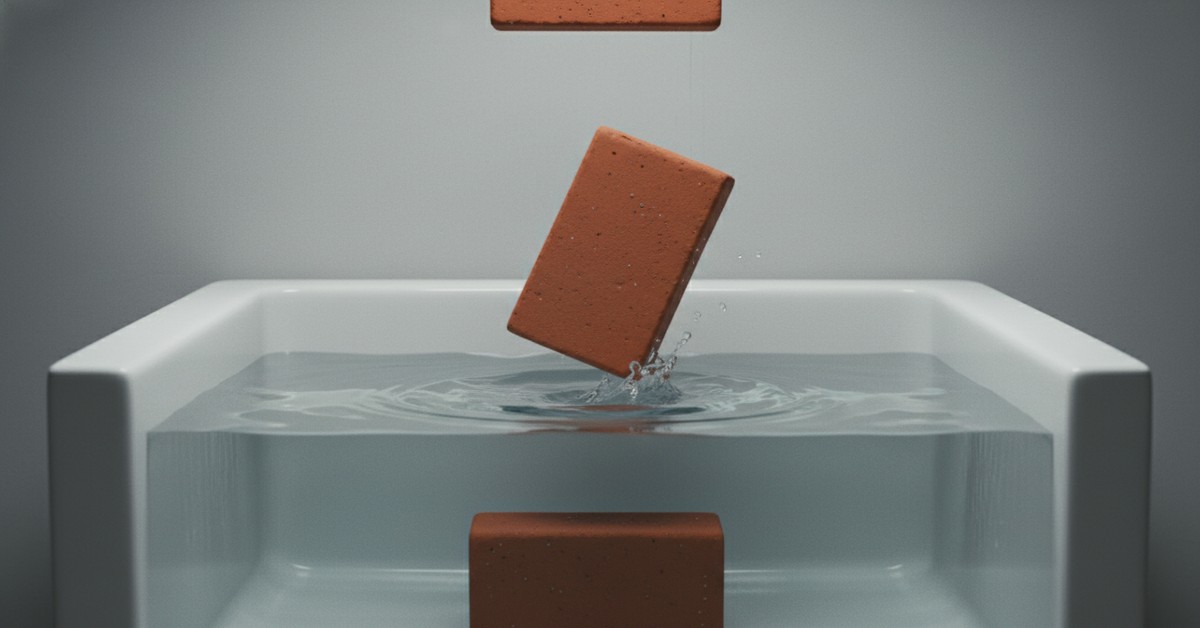
For decades, a common piece of home wisdom suggested placing a brick inside your toilet tank as a simple way to conserve water. The premise is straightforward: a brick displaces a volume of water, meaning less water fills the tank after each flush, theoretically saving gallons over time. While this idea had its merits in older, less efficient toilet models, the reality of its effectiveness and potential drawbacks in modern plumbing systems is far more nuanced.
For decades, a common piece of home wisdom suggested placing a brick inside your toilet tank as a simple way to conserve water.
The Original Logic Behind the Brick Trick
In older toilets, often referred to as "water guzzlers," a single flush could use anywhere from 5 to 7 gallons of water. Manufacturers hadn't yet prioritized water efficiency, and the internal mechanisms were designed to use a large volume to ensure waste clearance. Introducing a heavy object like a brick into the tank aimed to reduce the amount of water needed to reach the overflow tube, thereby using less water per flush without compromising flushing power too severely. For many households looking to cut down on water bills, this seemed like a clever, no-cost solution.
Why It's Often a Bad Idea Today
While the intent behind this water-saving method is commendable, putting a brick inside your toilet tank can lead to several problems, particularly with contemporary plumbing. Here’s why:
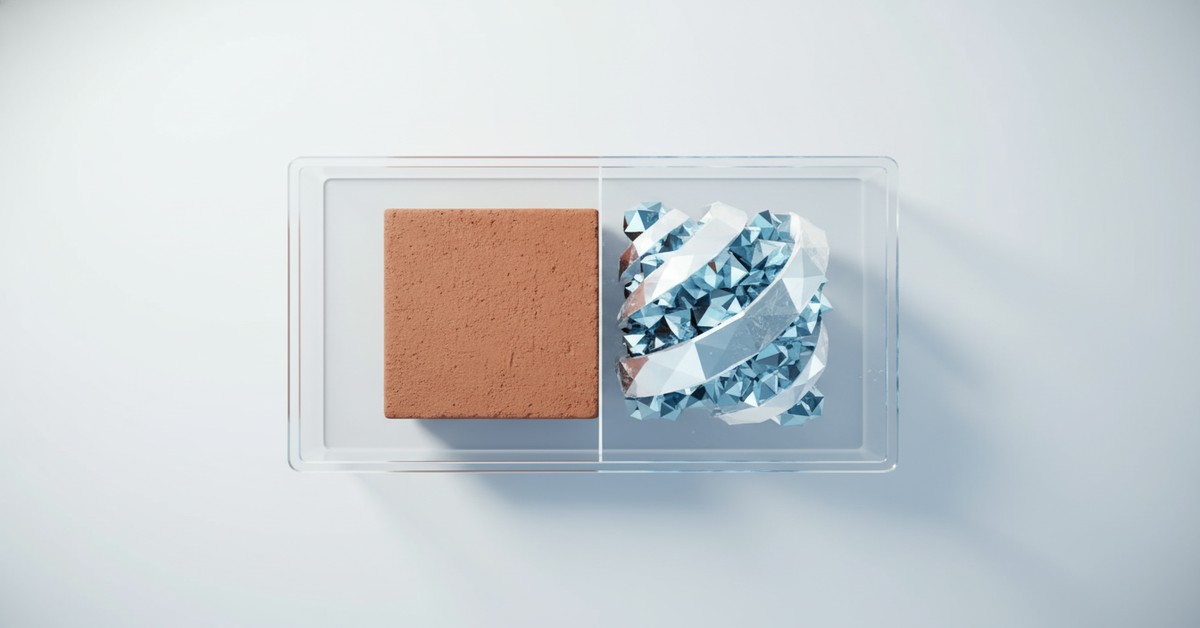
- Damage to Tank Components: A standard brick can weigh several pounds. Over time, its rough surface and weight can abrade or damage the delicate rubber and plastic components inside your toilet tank, such as the flapper, fill valve, or flush valve seal. This wear and tear can lead to leaks, inefficient flushing, and eventually, costly repairs.
- Material Breakdown: Bricks are porous. They can slowly disintegrate, shedding small particles that can clog the toilet's mechanisms or pipes. This sediment can accumulate in the toilet's working parts, leading to malfunctions or incomplete flushes.
- Reduced Flush Effectiveness: Modern toilets are engineered for efficiency, often using 1.6 gallons per flush (GPF) or even less, like 1.28 GPF for high-efficiency models. These designs rely on a precise volume and flow rate of water to create an effective siphon for waste removal. Reducing the water volume with a brick can disrupt this delicate balance, leading to weak flushes, requiring multiple flushes, and ultimately wasting more water than you save. As Good Housekeeping often advises for home maintenance, understanding your appliances' design is key to proper care.
- Risk of Clogs: If the brick shifts, it could obstruct the flush valve, preventing the toilet from flushing properly or leading to constant running water.
Better, Safer Water-Saving Alternatives
Instead of risking damage with a brick, consider these safer and more effective ways to save water in your bathroom:
- Displacement Bags or Bottles: If you have an older toilet, consider using a specialized plastic displacement bag or a plastic bottle filled with water and weighted with sand or pebbles. These are smoother, less likely to break down, and specifically designed not to damage tank components.
- Adjust the Fill Valve: Some toilets allow you to adjust the fill level slightly lower, reducing the amount of water used per flush. Consult your toilet's manual or a plumbing guide (like those found on WikiHow) for instructions.
- Check for Leaks: A running toilet can waste hundreds of gallons of water per day. Perform a dye test: add a few drops of food coloring to the tank and wait 15-20 minutes without flushing. If color appears in the bowl, you have a leak, likely from a faulty flapper.
- Upgrade to a High-Efficiency Toilet (HET): If your toilet is very old, upgrading to an EPA WaterSense labeled HET is the most effective long-term solution. These toilets are designed to use significantly less water while maintaining powerful flushing performance.
While the "brick in the toilet tank" method might seem like a simple solution to save water, its potential for causing damage and reducing flush efficiency in contemporary systems makes it an outdated and often counterproductive practice. Opt for modern, tested strategies to truly conserve water and maintain your home’s plumbing.