Exploring the Effects of a Brick in Your Toilet Tank
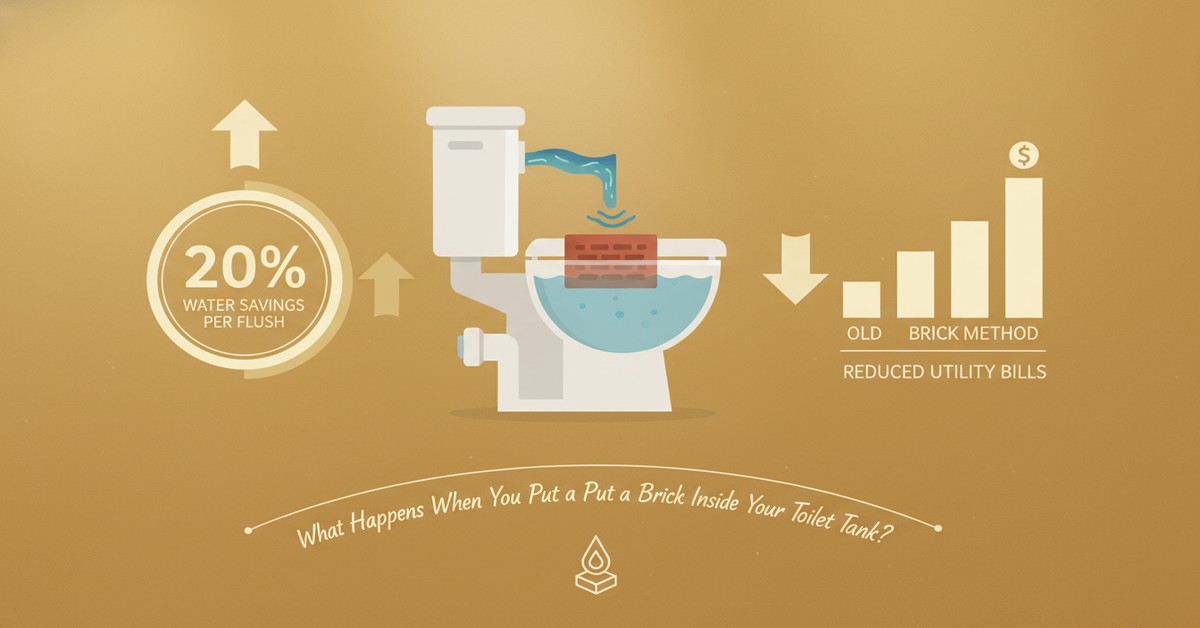
The concept of placing a brick inside your toilet tank to save water is a time-honored piece of advice, often passed down through generations. The idea is simple: a brick displaces a certain volume of water in the tank, meaning less water is needed to fill the tank, and subsequently, less water is used with each flush. But before you reach for that spare paver, it’s crucial to understand the full scope of what happens when you put a brick inside your toilet tank.
The concept of placing a brick inside your toilet tank to save water is a time-honored piece of advice, often passed down through generations.
The Principle Behind Water Displacement
In older, high-volume toilets (typically those manufactured before 1994), each flush could use anywhere from 3.5 to 7 gallons of water. Modern high-efficiency toilets (HETs) use 1.6 gallons per flush or less. The brick method primarily targets older models. By displacing water, the brick effectively reduces the amount of water available for a flush, potentially saving a half-gallon or more per flush, depending on the brick's size.
Potential Benefits: Saving Water and Money
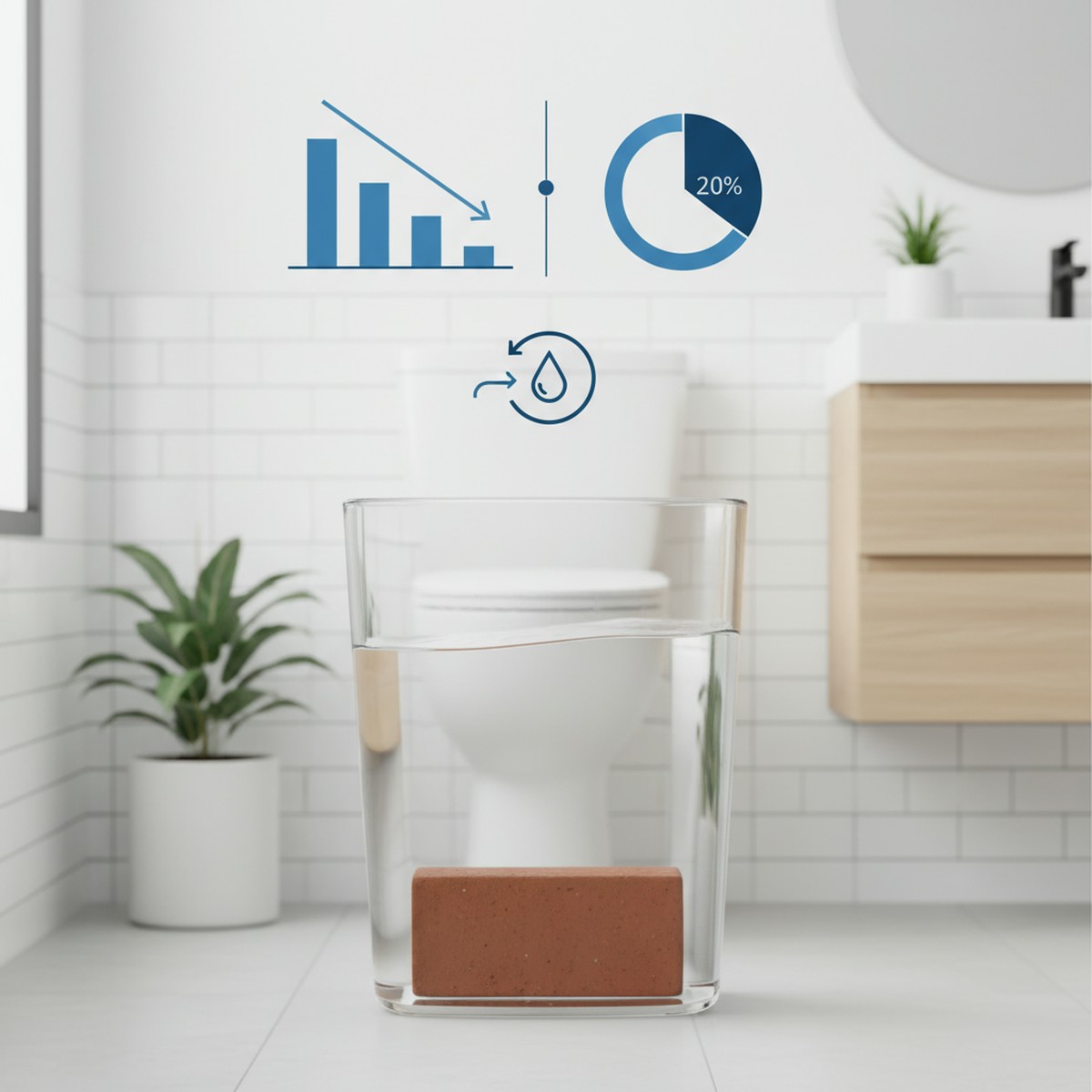
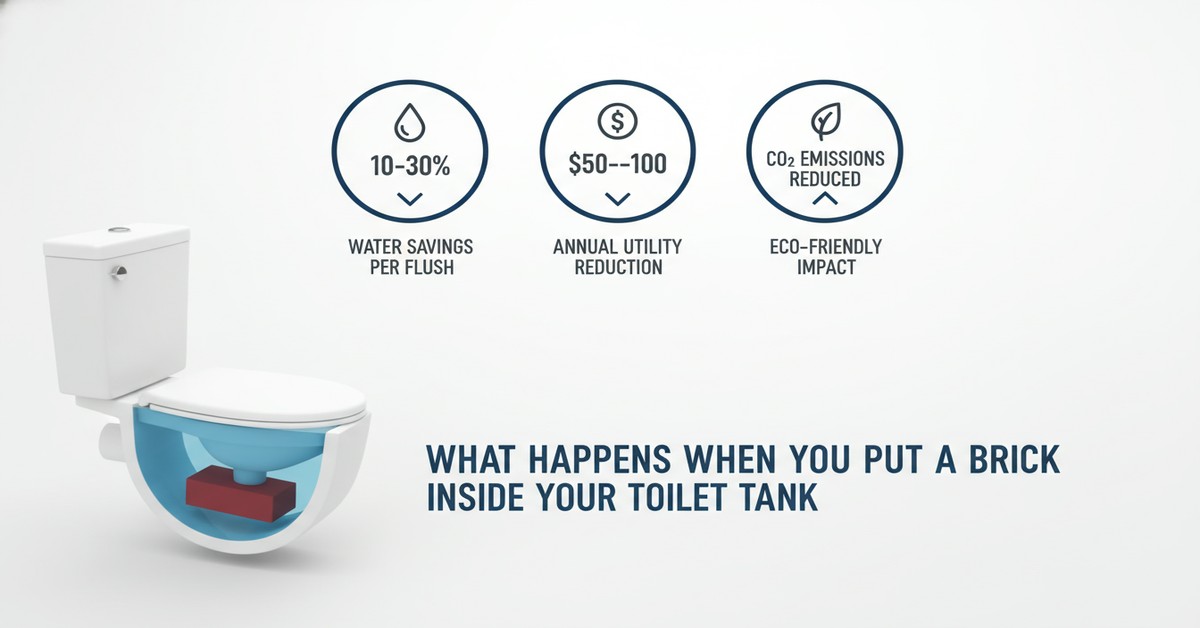
- Reduced Water Consumption: For older toilets, this method can indeed lead to a noticeable reduction in water used per flush, which translates to lower water bills. If you flush multiple times a day, these savings can accumulate over time.
- Eco-Friendly: Conserving water is beneficial for the environment, reducing strain on local water supplies and energy used for treatment.
Potential Risks and Drawbacks
While the intention is good, there are several significant downsides to consider, particularly with modern toilets or incorrect implementation:
- Damage to Toilet Components: A standard brick can break down over time, shedding sediment and grit into the tank. This material can clog the toilet's flush valve, fill valve, or even the small holes under the rim, leading to poor flushing performance or expensive repairs. According to WikiHow, sediment can also abrade rubber and plastic components, shortening their lifespan.
- Incomplete Flushing: If too much water is displaced, or if your toilet isn't designed for it, the reduced water volume might not be enough to properly clear the bowl. This can lead to double flushing, negating any water savings and potentially causing clogs.
- Porcelain Cracking: Bricks are heavy. If not placed carefully, or if they shift, they can chip or even crack the porcelain base of the toilet tank.
- Ineffective for Modern Toilets: Newer toilets are engineered for efficiency. Their smaller tanks and optimized flush mechanisms mean they don't have excess water to displace, making a brick largely ineffective and potentially disruptive. The Environmental Protection Agency (EPA) promotes WaterSense labeled toilets, which are already designed to use 20% less water than the standard 1.6 gallons per flush, often without needing any modifications.
Smarter Water-Saving Alternatives
Instead of a brick, consider these safer and often more effective alternatives:
- Plastic Bottles: Fill a plastic bottle with water and a few pebbles (to weigh it down), then place it in the tank. If it breaks, it won't shed harmful debris.
- Tank Banks/Displacement Bags: These are specially designed plastic bags that hang inside the tank, displacing water without the risk of breakdown or damage.
- Check for Leaks: A leaky toilet can waste hundreds of gallons of water per day. Conduct a dye test to check for silent leaks.
- Upgrade to a WaterSense Toilet: If your toilet is old, upgrading to an EPA WaterSense certified model is the most effective long-term solution for water conservation.
Conclusion
The "brick in the toilet tank" method is an old-school trick with mixed results. While it can offer some water savings in very old toilets, the potential for damage, clogs, and reduced flushing efficiency often outweighs the benefits. For most homes, especially those with newer or low-flow toilets, safer and more reliable water-saving strategies are available and highly recommended.