
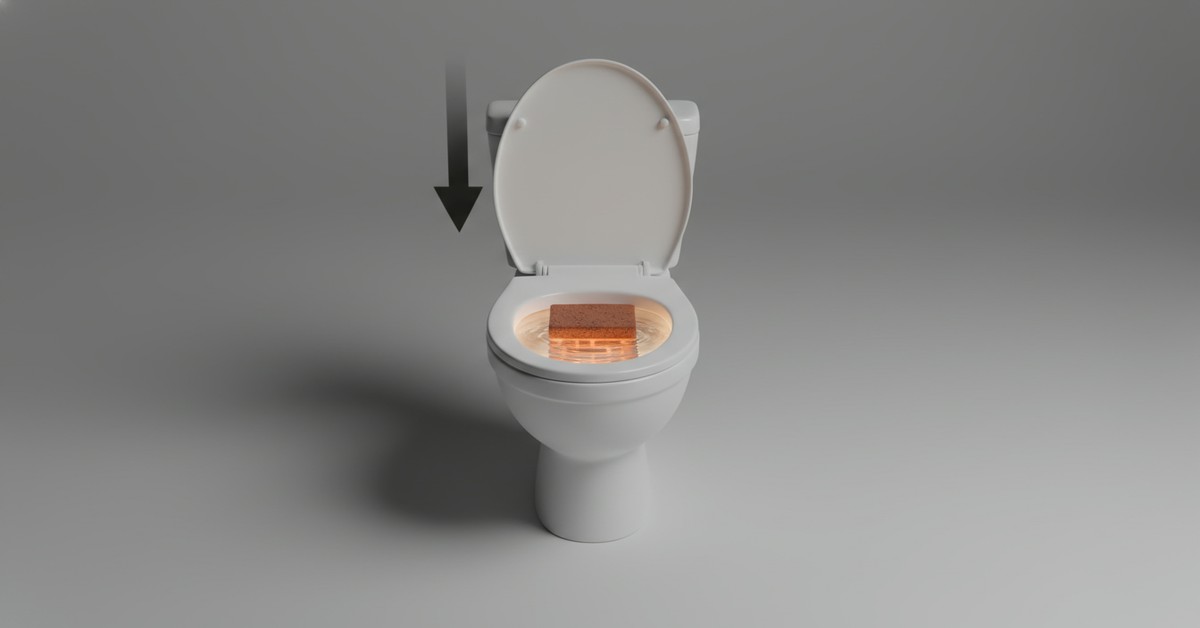
Understanding the Effects of Placing a Brick in Your Toilet Tank
For decades, the idea of placing a brick inside your toilet tank has been a popular, DIY water-saving tip. The logic seems sound: a brick displaces water, meaning less water is needed for each flush, thus saving on utility bills. But what happens when you put a brick inside your toilet tank, and is this practice truly effective or potentially harmful?
This method originated during eras of less efficient plumbing, when older toilets often used 3.5 gallons or more per flush. In such systems, any displacement could lead to noticeable water reductions. Modern toilets, however, are engineered for efficiency, typically using 1.6 gallons per flush (GPF) or even less for High-Efficiency Toilets (HETs). Their design relies on precise water volume for effective waste removal.
For decades, the idea of placing a brick inside your toilet tank has been a popular, DIY water-saving tip.
The Real Impact and Potential Downsides
While a brick will indeed displace water, the consequences can be problematic. A significant concern, as explained by sources like WikiHow, is that common clay bricks can disintegrate over time. This process releases gritty sediment into the tank. These particles can then abrade and damage crucial components such as the flapper, fill valve, and seals, leading to leaks and costly repairs. A persistent leak can easily negate any supposed water savings and even increase consumption.
Furthermore, a brick can shift or tumble within the tank, potentially obstructing the flushing mechanism or preventing the flapper from sealing correctly. This can cause the toilet to run continuously or flush ineffectively, requiring multiple flushes and wasting more water than if no brick were present. The added weight might also put unnecessary strain on the tank's internal components.
Smarter Water Conservation Strategies
Instead of risking damage, there are much safer and more effective ways to conserve water. The Environmental Protection Agency (EPA) advocates for WaterSense labeled toilets, which are independently certified to use 20% less water while meeting strict performance standards. Replacing an old, inefficient toilet with a WaterSense model is arguably the most impactful water-saving upgrade.
If a full toilet replacement isn't feasible, consider non-damaging displacement alternatives. A plastic bottle filled with sand or pebbles, tightly capped and placed in the tank, will displace water without the risk of disintegration or damage. You can also explore installing a water-saving flapper or slightly adjusting the float ball to lower the water level, ensuring it doesn't impair the flush's effectiveness.
In conclusion, while the intention behind placing a brick in your toilet tank is to save water, the potential for damage to your plumbing system and compromised performance often makes it a counterproductive measure. Modern solutions offer superior water efficiency without the associated risks, providing a more reliable path to a reduced water footprint.